

A room that stays hot long after the air conditioner turns on, or turns chilly as soon as the heat cycles off, may have more than an HVAC problem. Many older Southern California homes have exterior walls with little or no insulation. Drill and fill wall insulation is a practical way to improve those walls without removing large sections of drywall or siding.
The process can make bedrooms, living areas, and home offices more comfortable while reducing heat transfer through the building envelope. But it is not a one-size-fits-all fix. The wall cavity must be suitable, and hidden moisture, pest, wiring, or structural concerns need professional attention before insulation is installed.
What Drill and Fill Wall Insulation Does
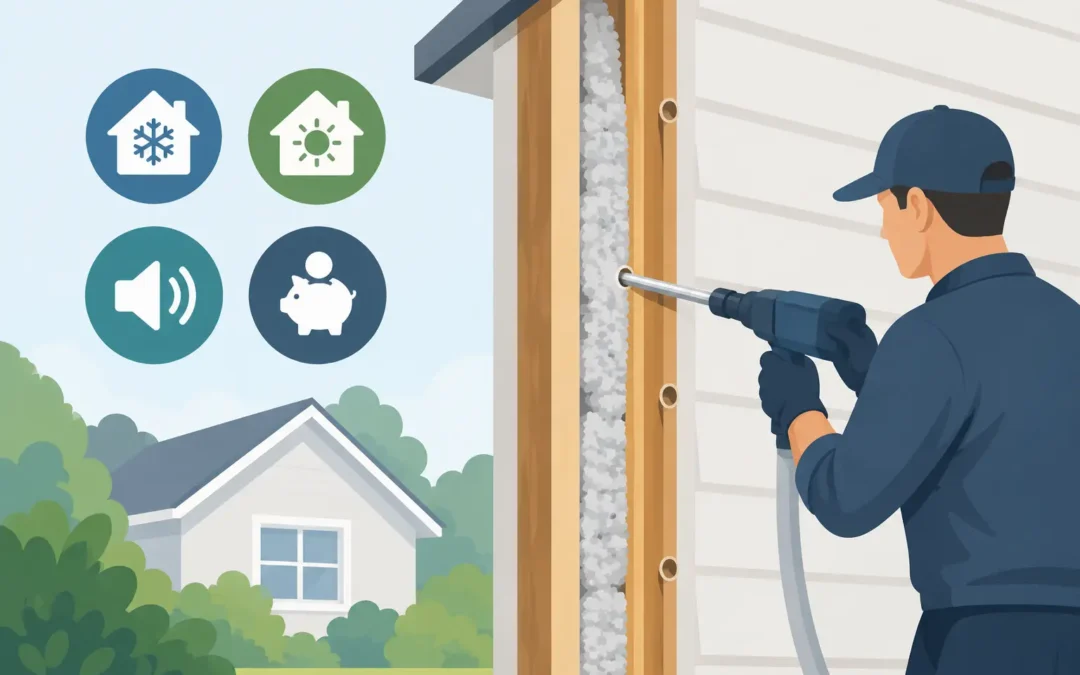
Drill-and-fill insulation is a method for adding insulation inside existing enclosed wall cavities. Instead of opening the entire wall, trained installers create a series of small access holes, typically from the exterior or interior depending on the home’s construction. Insulation is then installed into each cavity, and the access points are properly sealed and patched.
This approach is especially useful in homes built before wall insulation became standard practice. A wall can look perfectly sound from inside the house while allowing substantial heat into the home during warm weather and conditioned air out through the same wall.
For homeowners, the benefit is straightforward: insulation slows the movement of heat. In summer, that can help rooms resist outdoor heat gain. During cooler periods, it helps indoor warmth stay where it belongs. The result may be more even temperatures, less demand on heating and cooling equipment, and improved day-to-day comfort near exterior walls.
Why Empty Wall Cavities Matter in Southern California
Attic insulation often gets the most attention, and for good reason. However, a well-insulated attic cannot fully compensate for uninsulated exterior walls. If a west-facing living room becomes uncomfortably warm every afternoon, the wall assembly may be part of the problem.
Older homes in Los Angeles, Orange, Ventura, and Riverside counties often have construction details that deserve a close inspection before work begins. Some have open wall cavities. Others have partial insulation that has settled, shifted, or become contaminated by pests. Homes may also have additions built to different standards than the original structure.
Wall insulation is only one part of home performance. Air leaks around windows, doors, plumbing penetrations, recessed fixtures, ducts, and attic access points can also undermine comfort. A careful evaluation helps identify whether drill-and-fill work should be paired with air sealing, attic insulation, ventilation improvements, or duct repair for a more complete result.
How the Installation Process Works
Professional drill-and-fill work begins with an inspection, not a drill. The installer needs to understand the wall type, framing layout, exterior finish, signs of moisture, and potential obstructions inside the cavities. This step protects the home and helps prevent insulation from being installed where a leak, mold issue, or damaged material should be corrected first.
Assessing the Wall Assembly
The installation method depends on whether the home has stucco, wood siding, brick veneer, drywall, plaster, or another finish. Installers also consider the age of the home, previous remodels, electrical upgrades, and locations of plumbing lines.
Small test openings or inspection tools may be used when appropriate. The goal is to verify that cavities are available and to determine whether old insulation, fire blocking, cross bracing, or debris could affect coverage. A responsible contractor should never assume every wall can be filled the same way.
Installing Insulation in Each Cavity
After the plan is established, access holes are placed in a controlled pattern so insulation can reach the wall cavities as evenly as possible. The selected insulation material is installed at the proper density or depth for the system being used. Careful technique matters because gaps and voids reduce performance.
Exterior access is often preferred when it avoids disrupting finished interior surfaces. However, the best approach depends on the wall finish and repair requirements. With stucco homes, patching must be handled thoughtfully so the repaired locations are secure and visually appropriate.
Sealing and Restoring Access Points
Once insulation is installed, the access holes are sealed and repaired. The work area should be left clean, and homeowners should receive clear information about what was completed, what repairs were made, and any conditions found during the project.
Quality installation is not simply about putting material inside a wall. It is about protecting the building envelope while preserving the appearance and integrity of the home.
When Drill and Fill Is a Good Fit
This method can be a strong option when walls are underinsulated but otherwise dry, stable, and accessible. It is often considered by homeowners who want better comfort without the expense and disruption of opening every wall during a remodel.
Common signs that a home may benefit include:
- Exterior rooms that are consistently hotter or colder than the rest of the house
- High cooling or heating use despite an adequately maintained HVAC system
- Walls that feel noticeably warm from sun exposure or cold during winter evenings
- Older exterior walls with little evidence of existing insulation
- Rooms near garages, additions, or exposed walls that never seem to hold a comfortable temperature
These symptoms do not automatically mean wall insulation is the answer. A poorly sealed attic hatch, leaking ductwork, undersized equipment, damaged weatherstripping, or direct solar gain through older windows can create similar comfort complaints. That is why a whole-home assessment is valuable.
Moisture, Mold, and Pest Issues Must Come First
Insulation should not be used to cover up an active building problem. If a wall has a plumbing leak, rain intrusion, condensation issue, or visible staining, the source of moisture must be identified and corrected before insulation is added.
Moisture trapped within a wall can damage framing, degrade insulation, and create conditions that support mold growth. A musty odor, bubbling paint, soft drywall, unexplained staining, or elevated moisture readings deserves attention before any drill-and-fill project moves forward.
Rodent activity also requires a separate response. Rodents can contaminate existing insulation, damage wiring, and enter through gaps around rooflines, utility penetrations, vents, and foundations. If pests have been active, proper exclusion and cleanup should be part of the plan. Adding new insulation without sealing entry points can leave the underlying problem in place.
The same principle applies to damaged wiring and aging ductwork. A professional inspection helps ensure that insulation work supports a safer, healthier home rather than concealing a condition that needs repair.
Choosing the Right Insulation Material
The best material depends on the wall design, cavity condition, local code requirements, and installation method. Dense-pack cellulose, fiberglass systems, and certain foam products may be considered in different applications. Each has advantages and limitations.
For example, some materials are well suited to filling irregular cavities and reducing air movement within the wall. Others may be selected for particular moisture-management characteristics or available cavity depth. The material should be chosen based on the actual assembly, not on a blanket promise that one product is best for every home.
Homeowners should also understand that insulation does not eliminate all heat gain or solve every comfort problem on its own. Sun-facing glass, insufficient attic ventilation, radiant heat from the roof, duct leakage, and air infiltration can still affect indoor conditions. A contractor who discusses these factors is helping you make a more informed investment.
What to Ask Before Hiring a Contractor
Wall insulation affects finished surfaces, electrical systems, moisture behavior, and the home’s energy performance. It should be handled by an experienced, licensed, and insured contractor that can evaluate more than the insulation material alone.
Ask how the walls will be inspected, where access holes will be placed, and how those locations will be restored. Confirm how the contractor addresses signs of moisture, mold, rodent contamination, or electrical concerns discovered during the work. It is also reasonable to ask about applicable code requirements, cleanup procedures, warranties, and whether the scope includes related air sealing or repairs when needed.
The Attic Insulation Specialists Inc. approaches drill-and-fill projects as part of a larger home-protection system. That means looking beyond the wall cavity to consider attic conditions, ventilation, air leakage, moisture control, pests, and the areas where a home is losing energy.
A comfortable home should not depend on constantly adjusting the thermostat or avoiding certain rooms during the hottest part of the day. When the wall assembly is dry, sound, and properly evaluated, drill-and-fill insulation can be a practical step toward steadier comfort, cleaner indoor conditions, and better long-term protection for the home.