A hot second floor, a musty smell near the hallway, or unusually high summer cooling bills can all point to the same hidden area: the attic or crawl space. Finding the best insulation contractor Los Angeles homeowners can trust is not simply about adding more material overhead. It means identifying why the home is losing conditioned air, whether pests or moisture have damaged existing insulation, and what must be corrected before new insulation is installed.
Los Angeles homes face a distinct combination of intense radiant heat, aging ductwork, uneven construction practices, and occasional moisture intrusion. A contractor who treats insulation as a complete home-protection system can help solve the underlying problem rather than cover it up.
Best Insulation Contractor Los Angeles: Look Beyond R-Value
R-value measures an insulation material’s resistance to heat flow. It matters, but it is only one part of a comfortable, efficient home. Even high-R-value insulation will underperform if air leaks allow conditioned air to escape, attic ventilation is inadequate, ducts are disconnected, or rodents have compressed and contaminated the material.
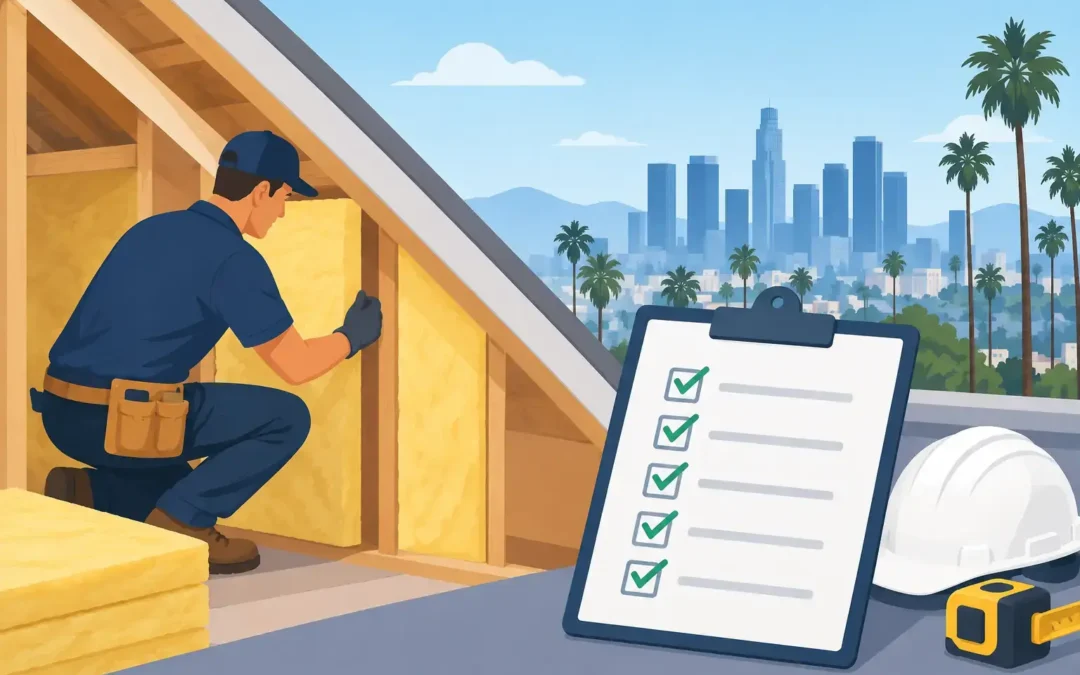
A qualified contractor should inspect the full attic or crawl space before recommending a product. That inspection should consider insulation depth and condition, visible gaps around penetrations, ductwork condition, ventilation, signs of roof or plumbing leaks, pest activity, mold, and moisture staining. In crawl spaces, the evaluation should also include ground moisture, vapor intrusion, standing water, damaged framing, and the condition of existing vapor barriers.
This broader approach protects homeowners from a common mistake: paying for fresh insulation when the real source of discomfort is an unsealed attic access hatch, leaking duct connection, blocked vent, or wet crawl space.
Start With Credentials and Clear Accountability
Insulation work can affect indoor air quality, fire safety, ventilation, electrical clearances, and building-code compliance. The contractor should be properly licensed for the work performed, insured, and willing to explain who is responsible for the project from inspection through final cleanup.
Ask whether the company uses trained in-house crews or relies on subcontractors, how it handles job-site protection, and what warranty applies to labor and materials. A professional should also provide a written scope that states what will be removed, cleaned, repaired, installed, and hauled away. Vague estimates often leave homeowners comparing prices without comparing the actual work.
The lowest quote may not include contaminated-insulation removal, rodent exclusion, air sealing, duct repairs, ventilation improvements, or disposal. Those items can be essential, not optional extras, depending on the condition of the space.
Know When Insulation Must Be Removed First
Old insulation does not always need to come out. Dry, clean material that remains properly installed may be suitable for improvement in some homes. However, insulation should generally be evaluated for removal when it has been heavily contaminated by rodents, soaked by a roof or plumbing leak, affected by mold, flattened beyond usefulness, or mixed with debris.
Rodent droppings and urine are more than an unpleasant attic issue. Contaminated insulation can hold odors and airborne particles, while pests may damage wiring, ducts, and vapor barriers. Installing new insulation over that material may hide the evidence without restoring a clean environment.
Proper removal includes containment, controlled extraction, cleanup, and safe disposal. If pest activity is present, exclusion work should be addressed before new insulation goes in. Otherwise, the home may receive a fresh layer of insulation only to have the same problem return.
Ask How the Contractor Handles Air Sealing and Ventilation
Air sealing and ventilation are often confused, but they do different jobs. Air sealing reduces unwanted air movement between the living area and unconditioned spaces. Common leakage points include recessed lights, plumbing openings, wiring penetrations, top plates, attic hatches, and gaps around duct boots.
Ventilation helps manage attic heat and moisture. In a properly designed system, intake and exhaust work together to move air through the attic. Simply adding an attic fan or more vents without evaluating the existing layout can create uneven airflow or pull conditioned air from the home through ceiling leaks.
The right solution depends on the house. A shaded home with limited attic heat may need different work than a sun-exposed home with an overheated upstairs bedroom. A contractor should explain the purpose of each recommendation in plain language and avoid one-size-fits-all packages.
Consider the Entire Home Envelope
The attic is not the only source of energy loss. Older Los Angeles-area homes may have exterior walls with little or no insulation, especially where remodeling has not opened wall cavities. Drill-and-fill wall insulation can improve comfort in selected areas without major drywall removal, but it must be planned carefully around wiring, plumbing, existing materials, and wall conditions.
Crawl spaces deserve the same attention. A damp crawl space can contribute to musty indoor odors, mold growth, wood damage, elevated humidity, and insulation failure above the floor. Depending on the cause, the repair may involve drainage corrections, waterproofing, a vapor barrier, encapsulation, dehumidification, insulation replacement, or a combination of these measures.
This is why the best contractor is usually not the one selling only a single insulation product. The best fit is the one who can determine whether heat, air leakage, moisture, pests, ductwork, or contamination is affecting the home, then build a sensible scope around the findings.
Compare Proposals by Scope, Not Just Price
When reviewing estimates, homeowners should be able to see exactly what each contractor intends to do. One proposal may appear less expensive because it excludes cleanup, air sealing, access improvements, duct repairs, or ventilation work that another contractor includes.
A useful proposal identifies the insulation type, target coverage or R-value, areas being treated, preparation work, removal and disposal procedures, and any repair or remediation recommendations. It should also distinguish confirmed conditions from preventive options. For example, a contractor should not present mold remediation as a standard add-on without explaining the observed moisture source and the work needed to correct it.
Be cautious of pressure to make an immediate decision after a brief visual glance. Attics and crawl spaces can hide serious issues, but a professional recommendation should still be specific. Homeowners deserve to know what was found, why it matters, and what can happen if it is left unaddressed.
Choose Materials That Fit the Job
There is no universal best insulation material. Fiberglass, cellulose, and other approved options each have appropriate uses based on the assembly, required coverage, moisture exposure, access, and budget. The quality of installation is just as important as the label on the bag.
Blown insulation must be installed evenly and at the correct depth. Batt insulation must fit snugly without being compressed or leaving voids. Any insulation installed near heat-producing fixtures, ducts, wiring, or ventilation components must maintain required safety clearances. If a radiant barrier is recommended, ask how it will be installed and what problem it is expected to address. It can reduce radiant heat transfer, but it does not replace insulation, air sealing, or necessary ventilation.
A dependable contractor will discuss trade-offs honestly. Some improvements may offer faster comfort gains than others. In a home with severely damaged ducts, for example, repairing ductwork may be more urgent than increasing attic insulation depth.
Look for a Contractor Who Protects the Living Space
Attic and crawl space work can be dusty, disruptive, and sensitive to occupant health when it is not managed correctly. Ask how technicians protect floors and access areas, contain debris, control dust, and clean up at completion. If the home has occupants with allergies, asthma, or other respiratory concerns, discuss those needs before work begins.
The Attic Insulation Specialists Inc. approaches these projects as connected home-performance work, addressing insulation alongside contamination, moisture, ventilation, air leakage, pests, and damaged ductwork when needed. That integrated approach helps homeowners avoid fragmented repairs that leave the original cause untouched.
A better attic or crawl space should deliver more than a thicker layer of insulation. It should support cleaner air, steadier indoor temperatures, lower strain on heating and cooling equipment, and lasting protection for the structure beneath the roof and floors. The right inspection is where that protection starts.