A Southern California attic can reach punishing temperatures long before the afternoon sun has peaked. That heat presses down on ceilings, warms ductwork, makes upstairs rooms harder to cool, and forces an air conditioner to run longer. Finding the best insulation for hot attics matters, but insulation alone is rarely the complete answer. A lasting solution addresses heat transfer, attic air leaks, duct condition, ventilation, and any contamination or moisture damage already present.
For most homes, the right choice is not simply the material with the highest advertised R-value. It is the insulation system that fits the attic’s condition, construction, climate exposure, and the family living below it.
What Insulation Can and Cannot Do in a Hot Attic
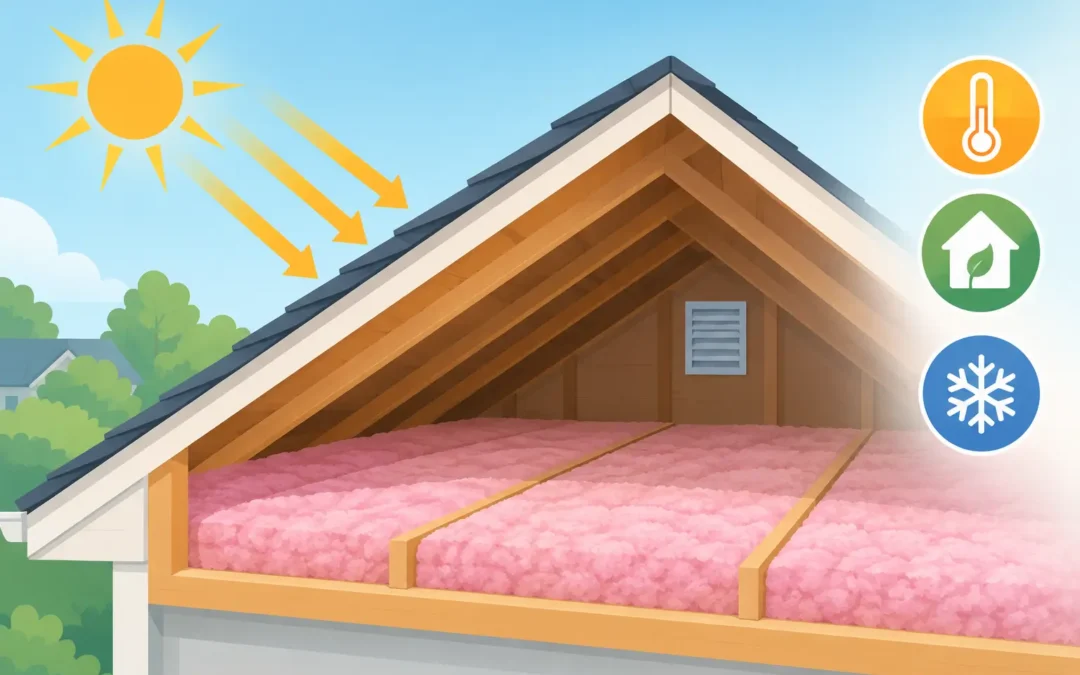
Insulation slows heat moving from the attic into conditioned living space. In summer, it helps keep ceiling heat from reaching bedrooms, hallways, and living areas. In winter, it slows heat loss from the home into the attic. Its effectiveness is measured by R-value, which reflects resistance to heat flow.
What insulation does not do is make the attic itself cool. A properly insulated attic may still be very hot on a sunny day, particularly under dark roofing. That is normal. The goal is to reduce the amount of heat that reaches the house and prevent conditioned air from leaking upward into the attic.
This distinction helps homeowners avoid an expensive mistake: installing new insulation over hidden problems. If the attic contains rodent waste, mold, water-stained framing, disconnected ducts, or major gaps around electrical and plumbing penetrations, those conditions need attention before insulation is added.
The Best Insulation for Hot Attics Depends on the Attic
For many conventional Southern California attics, blown-in fiberglass or cellulose installed after thorough air sealing is an effective, practical solution. Each material has a place, and the right selection depends on access, existing insulation, contamination, roof design, and the performance goals for the home.
Blown-In Fiberglass
Blown-in fiberglass is a common choice for open attic floors. It is lightweight, noncombustible, resists moisture absorption, and can be installed evenly across large areas. It is especially useful when existing insulation has been removed because of age, contamination, or damage and the attic floor needs a fresh, consistent layer.
Fiberglass performs best when it is installed to the proper depth without compressed areas, gaps, or thin spots around the perimeter. It should also be kept out of soffit vents with properly installed ventilation baffles. Simply piling insulation over blocked vents, recessed lights that are not rated for insulation contact, or damaged ducts can create problems instead of solving them.
Blown-In Cellulose
Cellulose is another effective attic-floor insulation material. It is dense, fills irregular spaces well, and is often selected for its ability to reduce air movement within the insulation layer. Treated cellulose is designed to resist fire, insects, and mold growth, but it is not a cure for an active roof leak or persistent moisture issue.
In an attic with a history of water intrusion, proper repairs must come first. Wet or heavily contaminated cellulose may need removal rather than drying in place. A professional inspection can determine whether material is still safe and effective or whether replacement is the better long-term choice.
Spray Foam Insulation
Spray foam can be appropriate when the goal is to create a conditioned or semi-conditioned attic, insulate roofline surfaces, or seal difficult framing cavities. It provides both insulation and air sealing when installed correctly. This can be useful in homes where HVAC equipment and ducts are located in the attic and are difficult to bring inside the conditioned envelope.
However, spray foam is not automatically the best option for every hot attic. It costs more than conventional blown-in materials, requires careful application, and changes how the attic manages heat and moisture. Roof design, local code requirements, ignition-barrier requirements, and ventilation strategy all need to be evaluated before moving insulation from the attic floor to the roof deck.
For many homeowners, a well-air-sealed attic floor with properly installed blown insulation delivers excellent comfort improvement without the added cost and complexity of a full roofline foam application.
Air Sealing Comes Before New Insulation
The most valuable insulation upgrade can lose effectiveness if hot attic air and household air are moving through unsealed gaps. Common leakage points include plumbing penetrations, electrical openings, top plates, open wall cavities, recessed fixtures, attic hatches, and gaps around duct boots.
During summer, air leakage allows hot attic air to influence the home. During winter, warm indoor air can escape into a cooler attic, where it may contribute to condensation under the right conditions. Air sealing before insulation installation helps control both energy loss and moisture risk.
The attic access opening deserves particular attention. A loose, uninsulated attic hatch can act like a hole in the ceiling. An insulated, well-sealed cover is a relatively small detail that can make a noticeable difference in comfort.
Radiant Barriers Help With Roof Heat
A radiant barrier is not insulation, but it can be a valuable addition in a hot-climate attic. Installed on the underside of the roof framing or in another appropriate location, it reflects radiant heat coming from the hot roof deck. This can reduce the amount of radiant energy entering the attic.
Radiant barriers are most useful when paired with adequate attic-floor insulation, air sealing, and properly functioning ventilation. They are not a replacement for R-value, and they should not be installed in a way that blocks required vents or traps moisture. In homes with extreme sun exposure, they can help reduce attic heat gain and lessen the burden on attic ductwork.
Do You Need More Attic Ventilation?
Ventilation is often discussed as the cure for a hot attic, but it needs to be handled carefully. Proper intake and exhaust ventilation can help manage attic heat and moisture when the roof assembly is designed for it. Soffit vents, baffles, ridge vents, gable vents, and powered attic fans each have different roles and limitations.
More ventilation is not always better. A powered attic fan can create unintended pressure differences if the attic floor has significant air leaks, potentially drawing conditioned air out of the home. Mixing different exhaust vent types can also interfere with intended airflow. The correct approach depends on the existing roof design, intake capacity, exhaust configuration, and air sealing condition.
A professional attic inspection should look at the whole system rather than recommending a fan based only on attic temperature. The goal is controlled airflow that protects the roof structure and supports home comfort, not simply moving hot air around.
Do Not Insulate Over Damaged or Contaminated Material
Old insulation can hold evidence of problems that deserve attention. Rodent droppings, nesting material, strong odors, mold-like growth, damp spots, and compressed or deteriorated insulation can affect indoor air quality and make a new installation less effective.
If rodents have entered the attic, insulation removal and cleaning should be paired with exclusion work. Otherwise, new insulation may be contaminated again. If there is mold or moisture damage, the source may be a roof leak, plumbing issue, condensation problem, or inadequate ventilation. Covering the affected area with fresh insulation does not correct the underlying cause.
At The Attic Insulation Specialists Inc., attic work is evaluated as a home-protection project, including insulation condition, air leaks, ductwork, pest activity, ventilation, and moisture concerns. This approach helps prevent homeowners from paying twice for work that should have been addressed together.
How Much Insulation Is Enough?
The appropriate R-value for an attic depends on the home’s construction, existing insulation, local energy requirements, and whether the attic is vented or conditioned. In many Southern California homes, older attic insulation is uneven, compressed, contaminated, or below current performance expectations.
An inspection can measure the existing depth, identify thin areas, and determine whether adding insulation is appropriate or whether removal and replacement will provide a cleaner result. The answer is not always “add more.” If insulation is wet, pest-contaminated, or concealing air leaks and damaged ducts, corrective work should happen first.
The best time to address an overheated attic is before another season of high cooling bills and uncomfortable rooms. A careful inspection can identify whether the real need is insulation, air sealing, radiant barrier installation, duct repair, ventilation correction, or a combination of these services. When the attic works as a complete system, the rooms below it have a much better chance of staying comfortable, clean, and protected.