

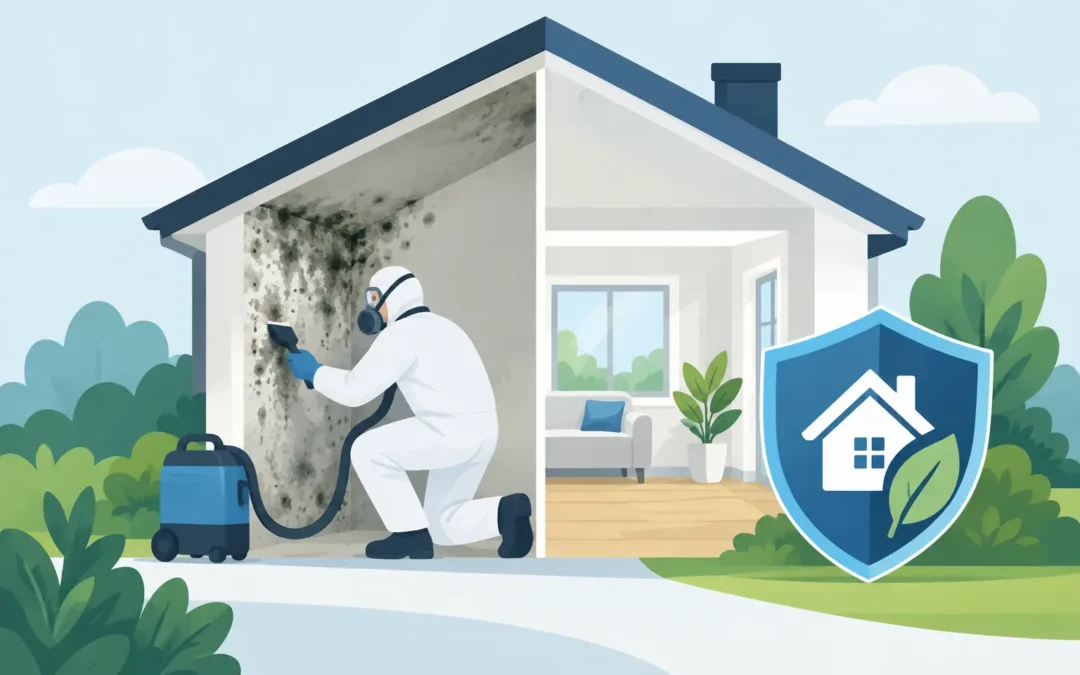
A dark patch on attic sheathing or a musty crawl space is rarely just a cleaning problem. Mold needs moisture, a surface to grow on, and time. If those conditions are still present after the visible growth is wiped away, the problem can return behind insulation, beneath flooring, or inside other concealed parts of the home.
For Southern California homeowners, mold is often connected to a roof leak, plumbing leak, crawl space moisture, poor attic ventilation, condensation, or rodent-contaminated insulation. Effective mold removal means finding that connection first. The goal is not simply to make an affected area look clean. It is to correct the conditions that put the home, its air quality, and its building materials at risk.
Why Mold in Attics and Crawl Spaces Needs Attention
Attics and crawl spaces are easy to overlook because they are out of sight. They are also where small water and airflow problems can become expensive. Warm indoor air can leak into an attic, meet a cold surface, and form condensation. In a crawl space, ground moisture and poor drainage can raise humidity under the home. A slow leak may dampen wood framing or insulation for weeks before anyone notices it.
Mold growth can discolor wood, damage paper-faced materials, and create persistent odors. Moisture also weakens the performance of insulation. Wet, compacted, or contaminated insulation does not control heat flow as intended, which can contribute to uncomfortable rooms and higher heating and cooling costs.
The visible area may not show the full scope of the problem. Insulation can conceal moisture damage, and mold can develop on the back side of drywall, roof sheathing, subflooring, or ductwork components. That is why a careful inspection matters before anyone starts removing material.
What Professional Mold Removal Should Include
A reliable remediation plan treats mold as a moisture-control issue as well as a cleanup issue. The work should be tailored to the size of the affected area, the materials involved, the source of moisture, and whether the area connects to the home’s living space.
Inspection and moisture-source identification
The first step is determining why mold developed. A qualified contractor looks for roof and plumbing leaks, disconnected bath exhaust ducts, ventilation deficiencies, crawl space vapor intrusion, damaged ductwork, condensation, and signs of pest activity. In an attic, stained sheathing near a roof penetration may point to a leak. More widespread staining can indicate chronic condensation or inadequate ventilation.
This distinction affects the repair. Replacing insulation without correcting air leaks or a roof leak is a short-term fix. The same applies to cleaning a crawl space without addressing standing water, drainage, or exposed soil moisture.
Containment and safe removal of affected materials
During mold removal, the work area may need to be contained so disturbed dust and contaminated debris are not carried into cleaner sections of the house. Porous materials that cannot be reliably cleaned, including heavily affected insulation or damaged drywall, may need to be removed and disposed of properly.
The right approach depends on the material. Sound structural wood may often be cleaned and treated after the moisture issue is resolved. Deteriorated wood, wet insulation, or materials with extensive damage may require replacement. A professional should explain what can be preserved, what should be removed, and why.
Cleaning, treatment, and drying
Removing contaminated material is only part of the process. Surfaces need appropriate cleaning, and the area must be dried before rebuilding begins. If wood framing remains damp, it can continue to support mold growth even after visible staining has been addressed.
Drying may involve improving ventilation, correcting air leaks, repairing leaks, reducing crawl space humidity, or installing moisture-control measures. The correct solution is not identical for every home. An attic with condensation needs a different strategy than a crawl space affected by ground moisture.
Restoration and prevention
Once the area is clean and dry, the home can be restored with the right materials and details. This may include insulation replacement, air sealing, vapor barriers, crawl space encapsulation, roof or plumbing repairs, ductwork correction, or attic ventilation improvements.
This is where a whole-home approach delivers better value. New insulation can improve comfort and energy efficiency, but it should be installed only after the space is dry, clean, and protected from the issue that damaged the original insulation.
Signs You May Need Mold Removal
Some mold problems are obvious, but many begin with smaller warning signs. A persistent musty odor after rain, water stains on ceilings, damp insulation, peeling paint, condensation on ducts, or dark spotting on attic wood all deserve attention. In crawl spaces, look for wet soil, standing water, damp subflooring, sagging insulation, or a humid, stale smell.
Homeowners should also pay attention when indoor comfort changes without a clear reason. A room that becomes difficult to cool, a lingering odor near a return vent, or unusually high humidity can point to a building-envelope or moisture issue. These symptoms do not confirm mold on their own, but they justify a professional inspection.
Avoid disturbing large visible areas or removing contaminated insulation without proper protection and containment. Aggressive scrubbing, blowing debris with fans, or applying a coating over damp material can spread particles or hide the underlying damage. The priority should be controlling moisture and evaluating the affected materials safely.
Common Causes in Southern California Homes
Southern California’s dry climate does not eliminate mold risk. Coastal humidity, winter rain, older roof systems, slab and crawl space moisture, and large temperature swings between conditioned rooms and unconditioned attics can all create the right conditions.
In older homes, insufficient attic insulation and unsealed ceiling penetrations may allow warm household air to enter the attic. Bath fans that vent into the attic rather than outdoors add moisture directly where it does not belong. Leaking HVAC ducts can also affect temperature and condensation patterns while reducing system efficiency.
Crawl spaces bring a different set of concerns. Moisture can rise from exposed earth, enter through foundation openings, or collect because exterior drainage directs water toward the home. A properly designed vapor barrier, drainage correction, waterproofing, and dehumidification plan can help stabilize conditions beneath the house.
Rodent activity can complicate both areas. Rodents may damage ducts, disturb insulation, and leave contamination that requires specialized cleaning. If insulation is removed after a mold or pest problem, exclusion work should be considered before new insulation is installed. Otherwise, the replacement material can be exposed to the same conditions.
Choosing the Right Mold Remediation Contractor
Mold work can involve health-sensitive conditions, building materials, and moisture repairs, so homeowners should look beyond a basic cleaning quote. Ask whether the contractor will identify the moisture source, explain the condition of affected materials, and provide a clear scope for cleanup and restoration.
It is also reasonable to ask about licensing, insurance, containment practices, warranties, and who is responsible for related repairs. A contractor focused only on surface treatment may not address the ventilation, insulation, duct, roof, plumbing, or crawl space conditions that allowed mold to grow.
The Attic Insulation Specialists Inc. approaches attic and crawl space mold concerns as part of total home protection. That means evaluating insulation, airflow, moisture, contamination, and structural conditions together, then recommending work that supports cleaner air, durable comfort, and long-term property value.
After Mold Removal: Keep the Space Dry
Prevention does not need to be complicated, but it does require follow-through. Repair leaks promptly, make sure bathroom and kitchen exhaust systems vent outdoors, and keep gutters and drainage paths moving water away from the foundation. If your home has a crawl space, periodic checks for dampness, torn vapor barriers, and plumbing leaks can catch problems early.
In the attic, avoid blocking soffit vents with insulation and have damaged ducts or disconnected exhaust vents corrected. If you notice new staining or a returning musty smell, do not wait for the next remodeling project. A timely inspection can be far less disruptive than replacing widespread insulation, drywall, or structural materials later.
A dry attic and crawl space protect far more than the areas themselves. They help preserve insulation performance, support healthier indoor air, reduce avoidable energy loss, and give your home a stronger defense against the next leak, storm, or season of humidity.