A Southern California attic can reach punishing temperatures long before the afternoon cooling bill arrives. If your upstairs rooms stay hot, your HVAC system runs constantly, or you notice dust and uneven temperatures, the best attic insulation upgrades may involve more than adding a fresh layer of material. A lasting solution begins by identifying what is allowing heat, air, moisture, pests, or contaminants to move through the attic in the first place.
For many homes, insulation is part of a larger protection system. The condition of the existing insulation, ductwork, ventilation, air leaks, and signs of rodent activity all affect comfort, energy use, indoor air quality, and the long-term condition of the structure.
Start With an Attic Inspection, Not a Product Choice
Homeowners often ask whether fiberglass, blown-in insulation, or a radiant barrier is the best option. The honest answer is that it depends on the attic. Installing new insulation over rodent-dropping contamination, wet materials, active roof leaks, or disconnected ducts can hide a problem without correcting it.
A professional attic inspection should look at insulation depth and condition, accessible air leaks around ceiling penetrations, damaged or compressed ductwork, ventilation pathways, evidence of moisture or condensation, and pest entry points. This step matters because insulation performs poorly when it is damp, compacted, contaminated, or bypassed by moving air.
In older homes throughout Los Angeles, Orange, Ventura, and Riverside counties, it is common to find several issues at once. A home may have thin original insulation, open gaps around recessed lighting or plumbing penetrations, and ducts that leak conditioned air into an extremely hot attic. Correcting only one condition may help, but addressing the system produces a more meaningful improvement.
Remove Damaged or Contaminated Insulation First
Insulation that has been heavily contaminated by rodents should not simply be covered with new material. Droppings, urine, nesting debris, and odor can remain in the attic and may affect air quality, especially where ceiling gaps allow attic air into the living space. Rodent activity can also damage wiring, ducts, and wood components.
Wet insulation creates a different concern. Moisture reduces its thermal performance and can contribute to mold growth or wood deterioration if the source is not resolved. Before replacement, the attic needs to be cleaned and decontaminated, rodent entry points need to be sealed, and any roof leak, plumbing leak, or ventilation problem needs to be corrected.
This is one of the most valuable upgrades because it protects the household as well as the insulation investment. Clean, dry insulation installed after proper remediation can do its job. Contaminated material left in place cannot.
Air Sealing Is One of the Best Attic Insulation Upgrades
Insulation slows heat transfer. Air sealing stops uncontrolled air movement. Both are necessary, but air sealing is frequently missed because many of the openings are small and hidden beneath existing insulation.
Warm or cool indoor air can escape through gaps around plumbing stacks, electrical wiring, ceiling fixtures, attic hatches, framing intersections, and duct penetrations. In summer, these openings allow hot attic air and dust to enter the home. In colder weather, indoor air escaping into the attic can carry moisture that contributes to condensation under the right conditions.
Air sealing before insulation replacement helps the new insulation deliver more consistent results. It can reduce drafts, limit dust movement, ease strain on heating and cooling equipment, and improve room-to-room comfort. The work must be done carefully around electrical components, combustion appliances, and ventilation requirements, which is why a trained contractor should evaluate the attic rather than treating every opening the same way.
Choose Insulation for Performance and Access
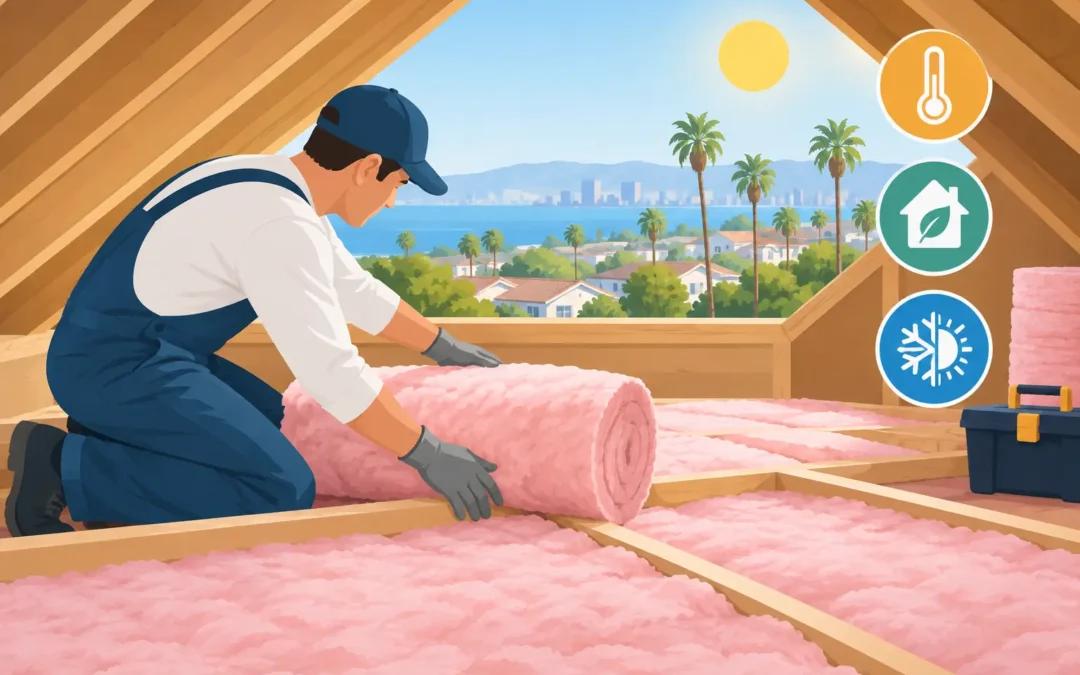
Once the attic is clean, dry, sealed, and ready, the insulation type should match the home’s needs. Loose-fill blown-in insulation is often a practical option for open attic floors because it can provide continuous coverage around framing and irregular spaces. It is particularly useful when existing insulation is inadequate or uneven.
Batt insulation can be effective in accessible areas when it is properly fitted, without gaps, compression, or voids. Poorly installed batts can leave thermal weak points, so material alone does not determine performance. Installation quality matters just as much.
The desired R-value depends on the home, the existing construction, local requirements, and the condition of the attic. More insulation is not automatically better if ventilation paths are blocked, a moisture issue remains unresolved, or the material is installed over contamination. A code-conscious assessment helps determine the right coverage and protects against shortcuts that can create future problems.
Do Not Forget the Attic Access
An uninsulated attic hatch can undermine an otherwise well-insulated ceiling. The access panel should be insulated, weather-stripped where appropriate, and fitted so it does not allow a constant exchange of conditioned air and hot attic air. It is a small detail, but it is directly above the living space and is often overlooked during do-it-yourself projects.
Improve Ductwork Before Burying It
Many Southern California homes have HVAC ducts running through the attic. If those ducts are torn, disconnected, poorly insulated, or leaking at joints, cooled air may be lost before it reaches the rooms you are paying to condition.
Duct repair or replacement can be one of the most noticeable comfort improvements in an attic project. A properly designed and connected duct system helps rooms cool more evenly, reduces wasted energy, and prevents attic dust from being pulled into the system through gaps. Once new insulation is installed, duct access becomes more difficult, so repairs should be addressed first whenever possible.
This is also where a whole-home approach matters. An insulation contractor should not ignore damaged ducts simply because the insulation itself is the visible problem. The attic works best when each layer of the system supports the next.
Add Ventilation Only When the Attic Needs It
Attic ventilation can help manage heat and moisture, but it is not a one-size-fits-all upgrade. A properly balanced system typically relies on intake and exhaust pathways that allow air to move as intended. Blocking soffit vents with insulation or adding exhaust without adequate intake can reduce effectiveness and create unintended pressure issues.
In very hot attics, professionally selected ventilation improvements or attic fans may be worth considering. However, an attic fan is not a substitute for air sealing, duct repair, or adequate insulation. In some homes, a poorly selected powered fan can pull conditioned air from the house through ceiling leaks, increasing rather than reducing energy use.
The right decision follows an inspection of roof design, existing vents, insulation placement, and the home’s air leaks. Good ventilation supports a dry, durable attic. It should never be treated as a shortcut for unresolved moisture or energy-loss problems.
Consider a Radiant Barrier for Solar Heat Control
A radiant barrier can be a useful addition in Southern California, particularly where the roof receives intense sun exposure and the attic becomes extremely hot. Unlike conventional insulation, which resists conductive heat flow, a radiant barrier is designed to reduce radiant heat transfer from the hot roof deck into the attic space.
It can be especially beneficial when attic ductwork and air handlers are exposed to high summer temperatures. Still, it is not a replacement for adequate floor insulation or air sealing. Its value depends on roof configuration, attic access, ventilation, and the rest of the home-performance plan.
For homeowners trying to lower summer cooling demand, the strongest results often come from pairing appropriate insulation levels with air sealing, duct improvements, and a correctly installed radiant barrier where conditions support it.
Protect the Upgrade From Pests and Moisture
New insulation should be the end of a repair sequence, not the beginning. If rodents can still enter through roofline gaps, vents, utility penetrations, or damaged screens, the attic can be contaminated again. If moisture is entering from a roof defect or plumbing leak, even high-quality insulation can be damaged.
Rodent proofing, roof and plumbing repairs, moisture control, and insulation work should be coordinated as one project when conditions require it. This approach helps protect your family’s air, the home’s framing, and the money invested in the work.
The Attic Insulation Specialists Inc. approaches attic projects with this full-system mindset: identify the cause, correct the hazards, then install materials that support cleaner air, better comfort, and long-term property protection.
A well-upgraded attic is rarely the result of one product installed in isolation. It is the result of a clean, dry, sealed, properly insulated space with sound ducts, sensible ventilation, and protection against the conditions that caused the problem. If your attic has not been evaluated in years, an inspection can turn vague concerns about high bills or hot rooms into a clear plan for a healthier, more efficient home.