Description
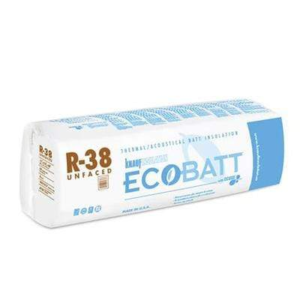
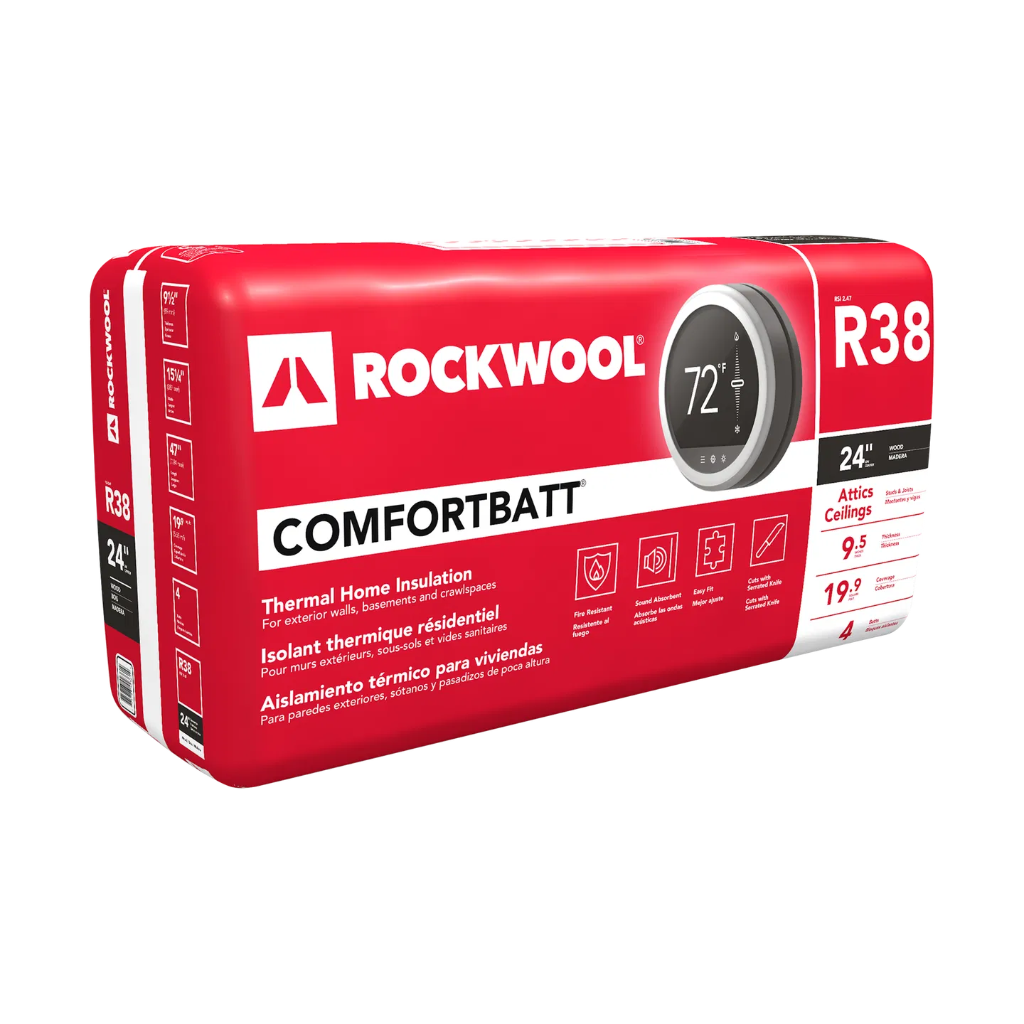
Rockwool Comfortbatt R-38: Attic Insulation That Won’t Burn
Stone wool is made from volcanic rock and slag spun into fibers. Rockwool reports a flame spread index and smoke developed index of 0 (ASTM E84) and classifies Comfortbatt as non-combustible under ASTM E136. For homes along the wildland edge, from Malibu and Pacific Palisades to Topanga, Altadena and the foothill communities, that makes Comfortbatt the attic insulation we recommend most.
Specifications
| Brand | Rockwool |
|---|---|
| Product line | Comfortbatt |
| R-value | R-38 |
| Material | Stone wool (mineral wool), unfaced |
| Fire | Non-combustible (ASTM E136); flame spread 0, smoke developed 0 (ASTM E84) |
| Moisture | Water-repellent; does not rot or promote mold (ASTM C1338 pass) |
| Sold by | Bag. Coverage printed on bag; confirm when ordering |
Stone Wool vs Fiberglass
- Fire: stone wool is non-combustible; the kraft facing on fiberglass batts is not.
- Fit: Comfortbatt is semi-rigid, so it friction-fits and stays put without sagging.
- Sound: its higher density absorbs more airborne noise.
- Cost: it costs more per square foot than fiberglass.
Installation Tips
Comfortbatt cuts cleanly with a serrated knife. It is unfaced, so it can be layered over existing insulation or installed directly on the attic floor. Keep vents clear with baffles.
Buy It or Have It Installed
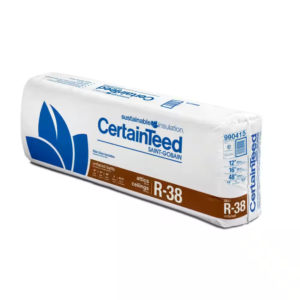
Order Comfortbatt R-38 here, or have our licensed crew (CSLB #1139733) replace your attic insulation with stone wool. Compare all Rockwool products or R-38 fiberglass batts.
Rockwool Comfortbatt R-38 Stone Wool FAQ
- Is Rockwool better than fiberglass for fire protection?
- Yes. Rockwool stone wool is classified as non-combustible (ASTM E136) with a flame spread index of 0, while fiberglass batts with kraft facing are combustible.
- Can Rockwool get wet?
- Rockwool is water-repellent and does not rot or promote mold, but the source of any leak should still be fixed.