
R-38 Fiberglass Batts
R-38 fiberglass batts are the most common way to bring a Southern California attic floor up to modern energy standards. Shop Knauf, CertainTeed and Johns Manville R-38 batts below — pick up the material for your own project, or have our licensed crew (CSLB #1139733) remove the old insulation and install new R-38 for you anywhere in Los Angeles, Orange County, the Inland Empire and Las Vegas.
Showing all 3 results
-
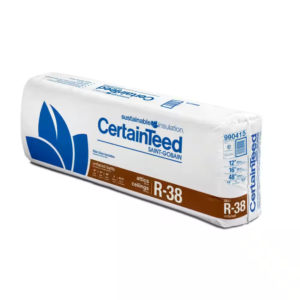
CertainTeed R-38 Fiberglass Batt Insulation
$65.50 / Bag -
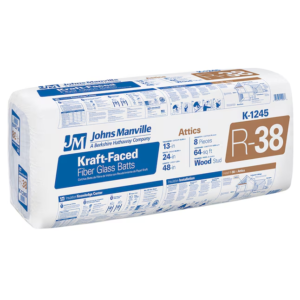
Johns Manville R-38 Kraft-Faced Fiberglass Batt Insulation
$68.99 / Bag -
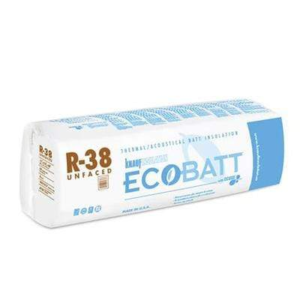
Knauf EcoBatt R-38 Fiberglass Batt Insulation with ECOSE Binder
$62.50 / Bag
How to Choose R-38 Fiberglass Batts
All three brands we stock reach R-38, so the thermal performance is the same. The differences are in the binder, the facing and the bag sizes — which matter more than most people expect.
Faced or unfaced?
- Kraft-faced batts have a paper vapor retarder. Use them on a bare attic floor, facing down toward the living space. Never lay a faced batt on top of existing insulation — it can trap moisture between the layers.
- Unfaced batts are the right choice when you're adding R-38 over old insulation. Lay them perpendicular to the joists to cover the tops of the framing and cut thermal bridging.
Standard (12") or high-density (10¼")?
Standard R-38 is about 12 inches thick. High-density versions reach R-38 in roughly 10¼ inches, which is the better fit for 2x10 rafters, cathedral ceilings and low-clearance attics common in older LA bungalows.
Width: 16" vs 24"
Match the batt width to your joist or truss spacing. Most homes built since the 1970s — including much of the San Fernando Valley, Inland Empire and Las Vegas tract housing — use trusses at 24 inches on center, where 24" batts install faster with fewer seams. Older homes are more often 16 inches on center.
How Many Bags of R-38 Do I Need?
Divide your attic floor area by the square feet per bag, then add about 5% for cuts and waste. For a 1,200 sq ft attic:
- With 16" x 48" bags covering about 42.7 sq ft: 1,200 ÷ 42.7 ≈ 28.1 → about 30 bags
- With 24" x 48" bags covering about 64 sq ft: 1,200 ÷ 64 ≈ 18.8 → about 20 bags
Bag coverage varies by brand, width and thickness, so check the size on the product page or call us at 800-778-3765 and we'll calculate it for you.
Is R-38 Enough for My Home?
Under California's Title 24 energy code, R-38 is the prescriptive ceiling value for new homes in climate zones 9 and 10 — the San Fernando Valley and the inland LA basin/Riverside area — when ducts run through the attic. Cooler coastal areas (climate zone 6) call for R-30. Requirements for existing homes and additions can differ, so we confirm the right R-value during your free inspection. In the Las Vegas valley, where summer attic temperatures regularly exceed 150°F, R-38 is a practical minimum and many homeowners go higher.
Batts or Blown-In?
Batts are easy to handle and ideal for open, accessible attics and DIY projects. Blown-in insulation fills around wiring, ducts and irregular framing better, and is usually faster over large areas. Not sure which fits your attic? Compare R-30 fiberglass or Rockwool mineral wool, or read our batt insulation installation guide.
Buy the Material or Have It Installed
Doing it yourself? Order online and we'll have your bags ready. Want it done right? Our crews handle old insulation removal and replacement, air sealing and new attic insulation installation across the San Fernando Valley, Orange County and Las Vegas. See typical pricing in our attic insulation cost guide or request a free estimate.
R-38 Fiberglass Batt FAQ
- Can I put R-38 batts over my existing attic insulation?
- Yes, if the old insulation is dry, clean and free of rodent contamination. Use unfaced batts laid perpendicular to the joists. If the old material is damaged or contaminated, it should be removed first.
- How thick is R-38 fiberglass insulation?
- Standard R-38 fiberglass batts are about 12 inches thick. High-density R-38 batts are about 10¼ inches thick for tighter spaces.
- Is R-38 better than R-30?
- R-38 has about 27% more thermal resistance than R-30. In hot inland areas such as the San Fernando Valley, Inland Empire and Las Vegas, the extra R-value pays off in lower cooling costs.