

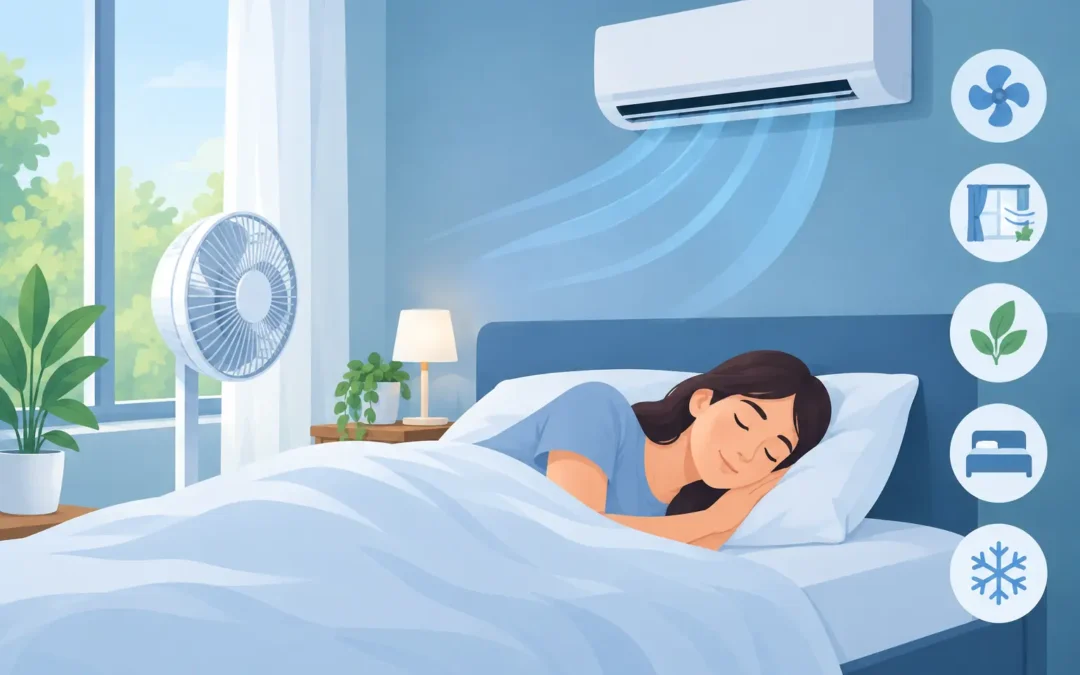
A bedroom that stays hot long after sunset is rarely just an air conditioner problem. For Southern California homeowners, learning how to cool hot bedrooms often means finding the heat that is entering through the roof, attic, windows, walls, or leaking ductwork before it reaches the room where your family sleeps.
Turning the thermostat lower may provide temporary relief, but it can also raise utility costs while leaving the underlying problem untouched. A cooler bedroom starts with controlling heat gain, keeping conditioned air where it belongs, and making sure the home can release excess heat safely.
Why one bedroom gets hotter than the rest of the house
A hot bedroom is usually a clue. The room may sit directly below an overheated attic, face west or south, have large unshaded windows, or be located at the end of a long duct run. Second-story rooms often feel the problem most because heat naturally rises and accumulates under the roof.
Attic conditions matter more than many homeowners realize. On a sunny day, roof temperatures can drive attic temperatures far above the outdoor air temperature. If attic insulation is thin, compressed, missing, or contaminated by rodents, that stored heat moves down through the ceiling and into the bedroom below.
Air leaks add another path. Gaps around recessed lights, ceiling fixtures, attic hatches, plumbing penetrations, and wall-top plates allow hot attic air to enter the living space. At the same time, cooled air can escape into the attic, forcing the HVAC system to run longer without delivering consistent comfort.
Ductwork can be another culprit. Leaky, disconnected, undersized, or poorly insulated ducts may lose cooled air before it reaches the bedroom register. If the room is furthest from the air handler, even a modest duct issue can make the difference between a comfortable room and one that never cools down.
How to cool hot bedrooms at the source
The most effective fixes address the building conditions around the bedroom, not just the air inside it. The right combination depends on the home’s age, roof design, existing insulation, HVAC layout, and signs of moisture or pest activity.
Start with the attic above the room
If the hot bedroom is directly beneath the attic, begin there. Insulation should provide continuous coverage across the attic floor, without bare spots, low areas, or compressed material around framing and ducts. Old insulation may no longer perform as intended, particularly if it has been disturbed by workers, damaged by roof leaks, or contaminated by rodents.
Insulation alone is not always the full answer. A professional attic assessment should also look for air leakage, damaged duct connections, pest entry points, moisture staining, mold conditions, and ventilation concerns. Adding new insulation over contaminated or wet material can bury an existing health or structural issue rather than resolve it.
Air sealing before insulation is especially valuable. Sealing accessible gaps helps prevent hot attic air from filtering into bedrooms and keeps expensive conditioned air within the home. This work needs to be done carefully around electrical components, venting, and fire-safety clearances.
Check whether attic ventilation is doing its job
Attic ventilation helps remove accumulated heat and moisture when the attic is designed to vent properly. Soffit intake vents, roof or gable exhaust vents, and properly selected attic fans can all play a role. However, more ventilation is not automatically better.
An attic fan installed without enough intake ventilation may pull air from the living space through ceiling leaks. That can increase air-conditioning demand and bring dust or attic pollutants into the home. The proper approach is to inspect the full attic system, including intake, exhaust, insulation levels, air sealing, and roof configuration.
In some homes, a professionally selected attic ventilation solution can reduce extreme attic temperatures and relieve pressure on upstairs bedrooms. In others, improving insulation and sealing leaks will deliver the larger comfort improvement. The condition of the entire attic determines the best next step.
Keep sun from heating the room all afternoon
West-facing bedrooms can absorb intense late-day heat through windows, even when the rest of the home is comfortable. Close blinds, shades, or curtains before direct sunlight reaches the glass rather than waiting until the room is already hot. Light-blocking cellular shades or insulated curtains can help, but exterior shading is typically more effective because it stops solar heat before it passes through the window.
Trees, awnings, exterior shades, and properly designed window coverings can reduce heat gain. Window upgrades may also make sense if the existing units are damaged, poorly sealed, or single-pane. Still, do not assume windows are the only issue when the ceiling feels warm or the room is below the attic. Window treatments cannot compensate for major attic heat transfer or duct failure.
Make sure cooled air is reaching the bedroom
A strong flow of air from a supply register does not always mean the room is receiving enough cooling. The air may be warmer than it should be, the duct may be leaking in the attic, or the return-air path may be restricted when the bedroom door is closed.
Start with basic checks: keep supply vents open and unobstructed, replace a dirty HVAC filter, and make sure furniture or curtains are not blocking registers. Ceiling fans can improve comfort by moving air across the skin, but they do not lower the room’s actual temperature. Turn them off when the room is empty to avoid wasting electricity.
If one room remains noticeably hotter despite normal airflow, the duct system deserves closer attention. Flexible ducts can sag, tear, disconnect, or become crushed. Older duct insulation can deteriorate in a hot attic. Repairing or replacing damaged ductwork, sealing leaks, and correcting poor routing can improve comfort while reducing cooling loss.
Avoid quick fixes that create bigger problems
Portable air conditioners and window units can be useful for temporary relief, particularly during a heat wave. They are not always the best long-term answer for a room that overheats every summer. Portable units can be noisy, take up floor space, require drainage management, and use substantial electricity. Some single-hose models can also create negative pressure that draws hot outside air into the house through gaps.
Leaving doors and windows open overnight may help when outdoor temperatures drop enough, but it is not a reliable strategy during hot spells or in areas affected by outdoor smoke, dust, pollen, or security concerns. Bedroom comfort should not require sacrificing indoor air quality or peace of mind.
Avoid closing too many supply vents in other rooms to force air toward the hot bedroom. This can increase pressure in the duct system, reduce equipment efficiency, and create uneven temperatures elsewhere. HVAC airflow needs to be balanced intentionally, not redirected through trial and error.
When a hot bedroom points to a larger home problem
Pay attention to warning signs beyond temperature. Musty odors, ceiling stains, visible mold, rodent droppings, unusual dust, high humidity, or sudden increases in utility bills can indicate a problem that reaches beyond comfort. Wet insulation loses effectiveness. Rodent-contaminated insulation can affect indoor air quality. Duct leaks and attic bypasses can pull contaminated attic air into living areas.
This is why a complete inspection matters. A qualified home-performance contractor can evaluate insulation depth and condition, ventilation pathways, attic air leaks, ductwork, moisture conditions, and evidence of pests as connected systems. For homes across Los Angeles, Ventura, Orange, and Riverside counties, that whole-home view is often more useful than adding another fan or lowering the thermostat.
The Attic Insulation Specialists Inc. approaches overheated bedrooms as a home-protection issue as well as a comfort issue. When insulation, air sealing, ventilation, ductwork, moisture control, and remediation needs are assessed together, homeowners can make repairs that protect cleaner air, energy efficiency, and long-term property value.
A bedroom should be a place to recover from a hot day, not a room everyone avoids until midnight. If yours stays uncomfortable night after night, treat it as useful evidence: the home is showing you where heat, air, or moisture control needs attention.